Beyond the Conversation: The Invisible Dynamics of Meetings
Summary
1- Introduction
2- Making Hidden Dynamics Visible
3- Elokencia: From Meetings to Performance Management
4- Key Metrics That Matter
5- Revealing the Invisible to Collaborate Better
6- The Bottom Line
Beyond the Conversation: The Hidden Psychology of Meetings
Meetings are often seen as rational and structured moments built around an agenda, speaking turns, and decisions. In reality, every meeting is shaped by invisible human dynamics that go far beyond words.
Inside the same conversation, there are shifting emotions, uneven attention levels, subtle power dynamics, self‑censorship, unspoken tensions, the need for validation, and silent reactions. These elements strongly influence how people participate and how decisions are made.
More than the spoken content itself, these invisible patterns determine whether a meeting creates clarity, alignment, and progress or leads to fatigue, confusion, and weak execution.
The challenge is that these signals are difficult to detect. They are subtle, fast‑moving, and deeply intertwined. Yet they represent the most decisive layer of collective performance.
1- Making Hidden Dynamics Visible
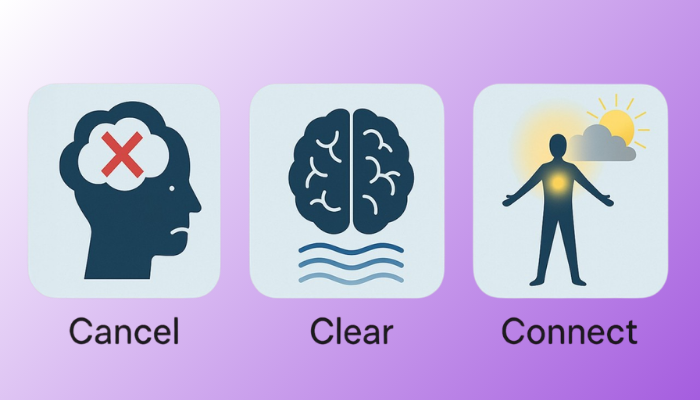
Identifying these hidden patterns fundamentally changes how meetings are evaluated. Instead of judging a meeting only by what was said or how long it lasted, organizations can start assessing the mechanisms that truly shape effectiveness.
This awareness is also the first step toward sustainable productivity improvement. When teams spend 4 to 8 hours per week in meetings, collaborative overload begins to affect focus, engagement, and deep work time.
The real question is no longer just how to run better meetings, but how to make visible the signals that reveal their true quality.
This is where a more analytical approach becomes essential. By observing indicators such as:
-
Average meeting duration
-
Active participation rate
-
Engagement levels
-
Decision‑making effectiveness
-
Recurring topics
Leaders can move beyond a surface‑level view and gain a deeper understanding of what truly drives collaboration, decision‑making, and execution.
2- Elokencia: From Meetings to Performance Management
This is precisely where Elokencia brings a concrete answer.
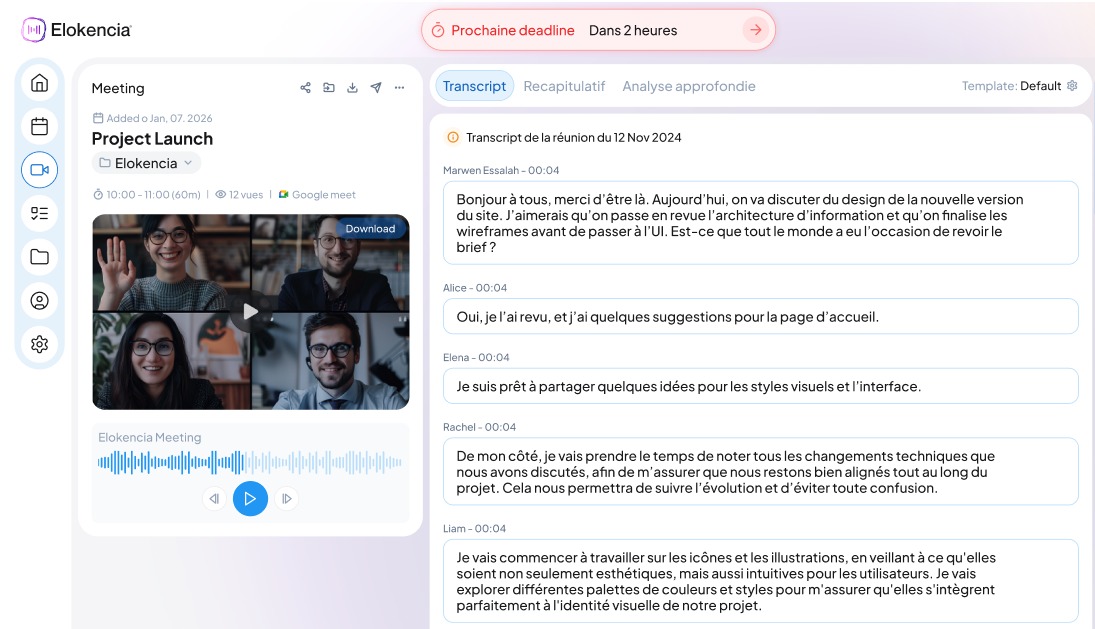
Through its Hidden Patterns module, Elokencia goes beyond traditional summaries or human interpretation. The platform detects, measures, and contextualizes the dynamics that influence meeting quality; participation, decision‑making, execution, topic drift, and the impact of behaviors on collective performance.
More importantly, Elokencia analyzes these dynamics over time.
With filtering by day, week, month, or year, the platform does not provide a single snapshot. It enables teams and leaders to:
-
Track pattern evolution
-
Compare periods
-
Identify meaningful changes
-
Distinguish isolated incidents from recurring dynamics
Meetings become a continuous source of insight rather than isolated events.
3-Key Metrics That Matter
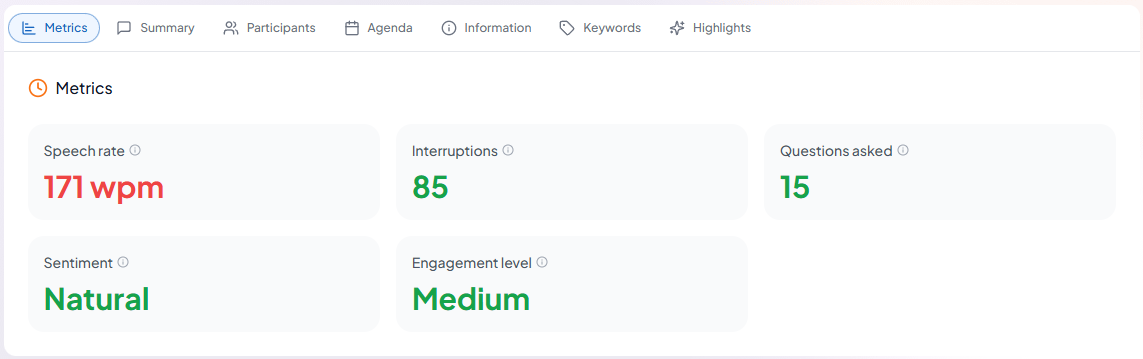
Decision‑Making Effectiveness This metric measures a meeting’s ability to lead to clear decisions. A high score indicates structured discussions, clarity, and action‑oriented exchanges. It helps determine whether meetings truly move topics forward or remain at the discussion stage.
Task Execution Rate This indicator measures how effectively decisions are translated into completed actions. It reflects follow‑through over time and shows whether meetings generate real impact beyond conversation.
Behavioral Impact on Performance This metric analyzes how observed behaviors such as interruptions or negative sentiment directly affect productivity. It connects human dynamics to operational outcomes, helping teams understand which behaviors slow collaboration and weaken performance.
Meeting Complexity Meeting complexity evaluates the overall coordination effort based on factors like number of participants, topics covered, duration, and frequency. It helps assess whether meetings are simple coordination moments or require high collective effort and cognitive load.
4- Revealing the Invisible to Collaborate Better
Meeting performance does not depend only on what is said, but on everything that happens beneath the surface.
Participation, engagement, decision‑making, execution, behaviors, and complexity all shape the quality of collaboration and a team’s ability to move forward. These subtle mechanisms often explain why some meetings generate clarity and momentum, while others create fatigue and limited impact.
As long as teams evaluate meetings only at the surface level, they miss the most decisive layer of collective functioning.
This is what Elokencia helps overcome.
By making these signals visible, measurable, and analyzable over time, Elokencia offers a more objective and actionable understanding of meeting impact. It doesn’t just show what was said, it reveals what structured the exchange, supported or hindered performance, and influenced the team’s ability to turn discussion into action.
Meetings stop being simple coordination moments. They become a powerful lever for analysis, alignment, and collective performance.
5- The Bottom Line
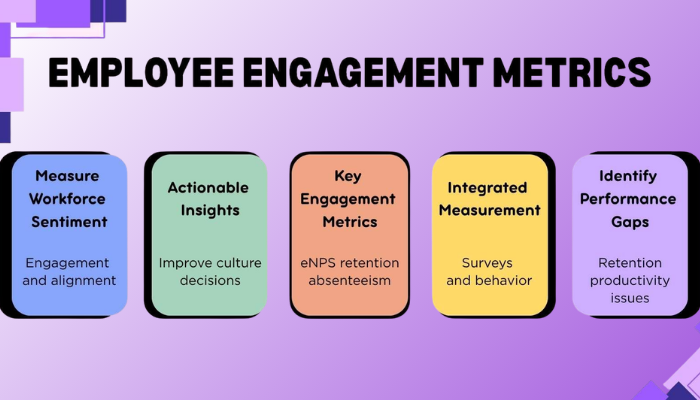
Meetings are shaped as much by invisible dynamics as by spoken words. Participation, engagement, behavior, and decision‑making determine whether a meeting drives progress or drains energy.
By making these signals visible and measurable, Elokencia turns meetings into a source of clarity, alignment, and execution transforming conversations into real collective performance.